Sign in. It’s quick, free and it’s up to you.
An account is an optional way to support the work we do. Find out more.
Sign in. It’s quick, free and it’s up to you.
An account is an optional way to support the work we do. Find out more.
GREEN PARTY LEADER Roderic O’Gorman has said that it is “worrying” that there is no deadline in place for the plans to introduce contactless payments on public transport over a year into the project.
The Spanish technology and defence firm Indra Sistemas SA won a single vendor contract in April of 2024 for the development and installation of contactless payments from the National Transport Authority worth €243m, to be paid out over ten years.
O’Gorman told The Journal that Indra is being paid a “very significant amount of public money” and that it is “very worrying that neither the Minister for Transport or the NTA can give us a clear date for this project to be finished”.
“Commuters deserve to know when they will be able to benefit from the contactless system,” O’Gorman added.
In the last quarter of 2024 the NTA paid €1,396,249 to Indra in purchase orders. These were the first purchase orders paid out to the company.
Separate from its contract with Indra, the NTA is also paying for services from the Irish outsourcing firm Abtran for work on the ‘next generation ticketing’ project.
Abtran works with several state agencies. The firm says that it primarily provides project management, ICT and operations services to the NTA.
It says that its personnel are involved in the implementation of next generation ticketing.
“Assignments are deployed in agreement with the NTA to ensure each resource has the most appropriate skills and experience for the specific needs of the project,” Abtran further states on its site.
The NTA paid €2,511,203 to Abtran for ‘Ticketing Technologies, Operations, Project and Programme Management’ in the same period, but the NTA has not said how much of this was spent on work for the Leap Card replacement project, and how much was spent for other work the firm provides to the agency.
The NTA told The Journal that not all of that money will be for work on the next generation ticketing project, though it could not clarify the amount that was.
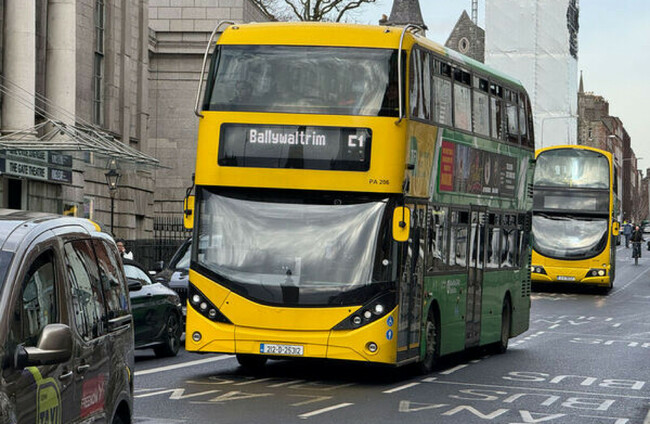
In response to a parliamentary question the NTA said that the initial phase will involve installing over 3,000 new validators across 69 Luas stops, 67 Irish Rail stations, 10 bus depots and more than 1,300 buses in Dublin alone.
It said that several teams will be working on installation, but buses can only be worked on when they are not in use, “i.e primarily at night or on the weekends”, which the NTA said will impact the timeline of the first phase of the project.
“A major effort is being put in by the NTA to ensure that this project is delivered as effectively and expeditiously as possible,” it said, adding that however, it will take “a number of years to successfully deliver the full solution”.
The NTA said that it will soon be in a better position to provide an “exact implementation date”, when “certain project planning activities have been completed”.
The NTA did not provide any further comment.

To embed this post, copy the code below on your site














have your say